
 #CHINA Chain of Danger
Preface: This extensive collection of materials about Wuhan, in particular, and in China, in general, contributes to an understanding of how globalization, particularly with opaque dictatorships possessed of no moral center produces dangers to health, society, and money. Right now in this world-wide epidemic, major disruptions and death make that more evident. There must be quality controls enforced on any product produced by China as a great deal ranges from defective to dangerous. Components for final goods are shoddy and manufactured by oppressed workers. Wuhan was one center, apparently considered so vital, the Chinese did not cordon it off before the virus spread to threaten the world – a type of genocide. Although there are legitimate concerns about patent protection, etc., the International focus must be on quality and worker conditions. The current “trade war” exacerbates the problem rather than leads to negotiation. Wuhan, as demonstrated, exhibits inherent danger. The extent of American “debt” to China manifests an interdependence which now must be systematically reviewed, produce policies, and negotiation. As illustrated below, this problem extends to involvement in many other countries, e.g. France.
A most important aspect is the silencing and death of the Doctor who first identified and tried to inform those who should know the existence of this new virulent highly transmissible virus – which might have lead to real prevention in China and abroad.
Censorship is not only deadly in the arts but this collection demonstrates dangerous in industry and science too. The great Czech writer, Ivan Klima, reflecting on Nazi and Communist control of Czech wrote in My Crazy Century, his memoir, “Dogmatists . . . cleave wholeheartedly to some incontrovertible, infallible truth, they acquire the certainty – the conviction – that they have the right to judge and to condemn all who do not recognize their truth.” See, the problems about vaccines below.
Thought control, deemed necessary by dictators, expands into all intellectual fields including science. It also prevents proper oversight of the means of production.
The current acknowledgement of the growth in Chinese global power should include the principles and insights found in this selection. Its imposition of improper control creates not only bad but dangerous results. The proof is pointedly displayed here. ~ Preface by Jonathan A. Weiss
#WUHAN AND #CHINA THREATEN WORLD HEALTH AND QUALITY OF LIFE
#CNPGC China National Pharmaceutical Group Corp. known as
#Sinopharm a Chinese state-owned enterprise Founded 1998 Beijing
#SanofiPasteur French vaccine company
#ELHTZ High Tech Industrial Development Zone
#WELHTDZ #Wuhan East Lake High-Tech Development Zone
#Biolake International Vaccine Park
#WIV Wuhan Institute of Virology of CAS was established in 1956
China National Pharmaceutical Group Corp. (#CNPGC) known as #Sinopharm is a Chinese state-owned enterprise.
Meth and Fentanyl come to the U.S. from Wuhan China
#Sanofi Pasteur, a world-known French vaccine company, signed cooperation agreement with China National Pharmaceutical Group and Wuhan East Lake Hi-tech Development Zone in France on Nov 25. It plans to co-create a production base in Biolake International Vaccine Park, with the aim of offering innovative technology and high-quality biological products worldwide.
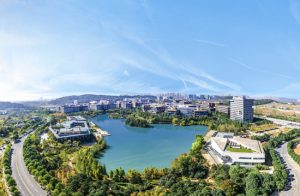
The Wuhan National Bio-industry Base, also known as the #Biolake, is China’s second largest state-level biotech industrial base in view of overall strength, located in Wuhan East Lake High-tech Development Zone.
High Tech Industrial Development Zone
National Date Incorporated:1988
No 546. Luoyu Road, Wuhan, Hubei,430079
www.wehdz.gov.cn/structure/index.htm
sy***@*******ov.cn
(086)027-87804115
Copyright held by the General Office of Hubei Provincial People’s Government. All Rights Reserved.
Website Maintenance: The Editorial Office of Hubei Provincial People’s Government Official Web Portal,a subordinate unit of Hubei Daily Media Group;
Add: 181 Donghu Road, Wuchang District, Wuhan, Hubei
High Tech Industrial Development Zone is home to 42 universities, 22 state key laboratories, 24 national engineering technology centers, 56 national scientific research institutes, etc. Optical-electronics, telecommunications, and equipment manufacturing are the core industries of Wuhan East Lake High-Tech Development Zone (#ELHTZ) while software outsourcing and electronics are also encouraged.
#ELHTZ is China’s largest production centre for optical-electronic products with key players like Changfei Fiber-optical Cables (the largest fiber-optical cable maker in China), Fenghuo Telecommunications and Wuhan Research Institute of Post and Telecommunications (the largest research institute in optical telecommunications in China).
Wuhan #ELHTZ also represents the development centre for China’s laser industry with key players such as #HUST Technologies and Chutian Laser being based in the zone.
The base’s current tenants include eight of the world’s Top 500 companies, 16 listed companies and 258 high-level startup teams from home and abroad. It generates one billion yuan of taxes a year, has gathered more than 30,000 professionals, and is now a first-class park nationally.
When the #WIV Wuhan Institute of Virology of #CAS was established in 1956
its main research focus was on veterinary viruses and plant viruses that can be transmitted with common pests. After the outbreak of severe acute respiratory syndrome (#SARS) in China in 2002, #WIV has gradually taken on more research projects on human viruses such as hepatitis, AIDS, influenza and SARS following the demand of more home-grown research on human viruses in China. As a result, #WIV was in the national spotlight when construction of level-4 (BSL-4) laboratory finally finished this February, 12 years after its initial proposal.
It is the first #BSL-4 lab of China and its completion makes China the tenth country in the world to have the capacity to study dangerous viruses such as Ebola.
Wuhan has more undergraduate and graduate students than anywhere else in the world.
As a CAS institute, WIV’s strength lies in basic research, but it has also been collaborating with universities, hospitals, the Chinese Centre for Disease Control and start-up pharmaceutical companies to conduct multi-disciplinary research and transform results of basic research into medicine and therapies.
According to the director of WIV, Chen Xinwen, “in the past the best undergraduate science students and graduate students tended to choose to pursue their PhD training and post-docs abroad.
“Just like other CAS institutes, we are hoping to attract more of the best students to stay in China and study and work at WIV.”
In 2011, Zhang Qingjie, the president of WUT, decided it should focus on fostering international collaboration to improve the research capacity of the university. He hopes to do this by “by hiring young researchers that have extensive research training abroad,” he said. “We help them establish their own lab at #WUT and they would help WUT liaise with their former mentors to establish joint labs with foreign universities.” This was the university’s route to establishing the Joint Nano Key Laboratory, set up by Prof. Charles M. Lieber of Harvard University and Prof. Mai Liqiang, who is now the executive dean of WUT’s International School of Materials Science and Engineering.
Harvard University’s Professor Charles Lieber
Charles Lieber was arrested on the 28th of January, 2020. He was arrested on charges of making false statements to the U.S. Department of Defense and to Harvard investigators regarding his participation in China’s Thousand Talents Program. A program which has been criticized and deemed as a threat to national security. This program aims at giving Chinese government access to research works of foreign scientists and handsomely rewarding the scientists financially.
According to the complaint, Lieber lied to both the Department of Defense and the National Institutes of Health about his affiliation with Wuhan University of Technology, or WUT, and his involvement with China’s “Thousand Talents Plan,” a program designed to recruit Chinese ex-pats and foreign scientists to China.
Lieber also allegedly failed to disclose large sums of money he received from the Chinese government, including more than $1.5 million to start a lab at WUT and a salary of up to $50,000 per month, plus living expenses for his work at WUT.
PHILADELPHIA-(MaraviPost)-Charles M. Lieber is an American chemist who was born on the 9th of April 1959 in Philadelphia, Pennsylvania, United States. He got his education from Franklin & Marshall College and Stanford University, He is professor in Harvard University. He is a pioneer in nanoscience and nanotechnology. Lieber has published over 400 papers in peer-reviewed journals and has edited and contributed to many books on nanoscience. Thomson Reuters named him the leading chemist in the world for the decade 2000-2010 in 2011 as a result of his impact on scientific publications. He has also received other awards in the field of science.
HUST, HZAU, CUG, SCUN and WIV are enthusiastic about hiring international researchers and have been able to do so through various global recruitment programmes that have emerged from China’s central and provincial governments since 2011.
These programmes that provide earmarked funding and preferential policies to lure foreign researchers to Wuhan. Zhang believes that “foreign scientists bring fresh viewpoints to our university and they are instrumental in transforming Chinese universities into internationally competitive research institutions.”
One of these recruitment programmes is the “Hundred Talents Program”, started by CAS, which provides three million RMB (US$0.5 million) for qualified researchers with more than four years of experience abroad who want to move back to China. The money can be used as start-up research funding. Since 1994, more than 1000 researchers have benefited from this highly selective programme. Unlike CAS institutes, which are under the jurisdiction of Ministry of Science and Technology, most of the top universities in China are under the supervision of Ministry of Education so they are not able to participate in the “Hundred Talents Program”. But universities and technology companies can use similar programs such as “Thousand Talents Program” to help attract foreign researchers.
China National Pharmaceutical Group founded 1998
Key people Guo Jianxin (Chairman & Party Committee Secretary)
Biolake International Vaccine Park, with the aim of offering innovative technology and high-quality biological products worldwide.
Eight out of the thirteen world top 500 biopharmaceutical companies have been located in #Biolake, the number comes out front among the 26 Chinese bio-industry bases.
The corporation was the indirect major shareholder of publicly traded companies
- #Sinopharm Group(SEHK: 1099, via a 51–49 joint venture, Sinopharm Industrial Investment, with Fosun Pharmaceutical),
- China Traditional Chinese Medicine [zh] (SEHK: 570, mostly via Sinopharm Group Hongkong Co., Ltd. (Incorporated in Hong Kong with Limited Liability) 2015 PDF Report SEE ORIGIN OF TRADITIONAL MEDICINE
- Shanghai Shyndec Pharmaceutical (SSE: 600420, via a wholly owned research institute based in Shanghai) and
- Beijing Tiantan Biological Products (SSE: 600161, via China National Biotec Group).
China National Pharmaceutical Group was supervised by the State-owned Assets Supervision and Administration Commission of the State Council.
Several Sinopharm’s subsidiary, such as China Sinopharm International Corp. and China National Pharmaceutical Foreign Trade Corp. were remained unlisted, which was not injected to Sinopharm Group.
Sinopharm was ranked 205th in 2016 Fortune Global 500 list.
Mar 31, 2020
China’s biggest lab has 1500 strains of viruses. Is China equipped to handle these samples? Is anyone keeping a check on the Chinese labs?
The lab — the Wuhan National Biosafety Laboratory (Level 4) of the Chinese Academy of Sciences — works with and studies the world’s most dangerous pathogens such as Severe Acute Respiratory Syndrome (SARS), and Ebola. However, scientists had warned in 2017 that a dangerous virus could escape the lab.
Jan 24, 2020 According to Nature, some scientists outside China were worried about pathogens escaping, and the addition of a “biological dimension to geopolitical tensions” between China and other nations. Wuhan coronavirus: China was warned in 2017 that a deadly virus could escape its level 4 biohazard lab
“It will offer more opportunities for Chinese researchers, and our contribution on the BSL‑4-level pathogens will benefit the world,” says George Gao, director of the Chinese Academy of Sciences Key Laboratory of Pathogenic Microbiology and Immunology in Beijing. There are already two BSL-4 labs in Taiwan, but the National Bio-safety Laboratory, Wuhan, would be the first on the Chinese mainland. But the complexity of the project, China’s lack of experience, difficulty in maintaining funding and long government approval procedures meant that construction wasn’t finished until the end of 2014.
2/27/17 After the 2003 SARS epidemic, China constructed the Wuhan National Biosafety Laboratory (Level 4) of the Chinese Academy of Sciences, in 2015.
The aim was to prepare for and respond to future infectious disease outbreaks.
Inside the Chinese lab poised to study world’s most dangerous pathogens Maximum-security biolab is part of plan to build network of BSL-4 facilities across China.
Editors’ note, January 2020: Many stories have promoted an unverified theory that the Wuhan lab discussed in this article played a role in the coronavirus outbreak that began in December 2019. Nature knows of no evidence that this is true; scientists believe the most likely source of the coronavirus to be an animal market.
https://www.nature.com/news/inside-the-chinese-lab-poised-to-study-world-s-most-dangerous-pathogens-1.21487
Jan 24, 2020 Wuhan coronavirus: China was warned in 2017 that a deadly virus could escape its level 4 biohazard lab
After the 2003 SARS epidemic, China constructed the Wuhan National Biosafety Laboratory (Level 4) of the Chinese Academy of Sciences, in 2015. The aim was to prepare for and respond to future infectious disease outbreaks
Biosafety Level 4 Laboratory, Wuhan Institute of Virology, China
The very first biosafety (level 4) BSL-4 laboratory in mainland China was opened in 2015, at a cost of around $44 million by the Wuhan Institute of Virology. The Wuhan BSL-4 laboratory took more than ten years to complete from its conception in 2003.
<https://pharma-industry-review.com/biosafety-level-4-laboratory-wuhan-institute-of-virology-china>
Biosafety (Level 4) BSL-4 Laboratory
The Wuhan BSL-4 laboratory is dedicated to the research of severe infectious diseases. Biosafety laboratories are divided into four biosafety levels: BSL-1, BSL-2, BSL-3, and BSL-4. The National Biosafety Level 4 Laboratory has the highest level of biological safety currently operated by human beings and is known as the “aircraft carrier” in the field of virology. Except for China, the only countries that currently have BSL-4 laboratories in the world are France, Canada, Germany, Australia, the United States, the United Kingdom, Sweden, and South Africa.
The Wuhan Biosafety Level 4 Laboratory adopts a design concept similar to the box-in-box of the BSL-4 laboratory in Lyon, France. The entire laboratory is suspended and divided into 4 floors. From bottom to top, the bottom layer is for the sewage treatment and life support system; the second layer is the core biosafety level 4 laboratory; the third layer is the filter system; the interlayer between the second and third layers is the pipe system; the uppermost layer is the air conditioning system.

Wuhan National Biosafety Level 4 Lab Location
The National biosafety laboratory is located only 30 kilometres away from the South China Seafood Wholesale Market. This “wet market” facilitating live poultry trade, is widely believed to be the epicenter for transmission of viral pathogenic coronaviruses, specifically the zoonotic transfer of Covid-19 to human beings. The Market in Wuhan closed on the 1st January 2020 after it was found to be the most likely starting point for the outbreak of this coronavirus. Consequently, the Wuhan Institute biosafety (level 4) BSL-4 laboratory is analyzing the 2019–2020 New Coronary Pneumonia (COVlD-19) outbreak.
In 2017 scientists such as U.S. molecular biologist Richard H. Ebright expressed concern of previous escapes of the SARS virus from Chinese high-level containment laboratories in Beijing and the pace and scale of China’s plans for expansion into BSL–4 laboratories.
The Laboratory has strong ties to the Galveston National Laboratory in the University of Texas. In 2020, Ebright called the Institute a “world-class research institution that does world-class research in virology and immunology”.
The new coronavirus outbreak
In January 2020, the Institute of Virology was rumoured as a source for the 2019–20 coronavirus outbreak as a result of allegations of bioweapon research. According to a report by the Central News Agency quoting Bejing Today, Huang Yanling, a postgraduate student of the Wuhan Institute of Virology of the Chinese Academy of Sciences, was the first “patient zero” infected with the Wuhan pneumonia and began to spread the virus; however, researchers at the virus laboratory denied these claims and guaranteed that no one was infected by the virus.
The claim was debunked as a conspiracy theory by The Washington Post in a piece titled: “Experts debunk fringe theory linking China’s coronavirus to weapons research”.
The Post cited U.S. experts who explained why the Institute was not suitable for bioweapon research, that most countries had abandoned bioweapons as fruitless, and that there was no evidence that the virus was genetically engineered.
In February 2020, the New York Times reported that a team led by Shi Zhengli, a researcher at the Institute, were the first to identify, analyze and name the genetic sequence of the Novel coronavirus (2019-nCoV), and upload it to public databases for scientists around the world to understand.
During January and February 2020, the Institute was subject to further conspiracy theories, and concerns that it was the source of the outbreak through accidental leakage, which it publicly refuted. Members of the Institute’s research teams were also subject to various conspiracy theories, including Shi, who made various public statements defending the Institute.
Patient Zero Huang Yanling
The report quoting Beijing News today, states “The zero patient of Wuhan (New Crown) Viral Pneumonia is Huang Yanling, a researcher at Wuhan Institute of Virology and admitted to the Wuhan University Institute of Virology in 2012.” Published by the Wuhan Institute of Virology of the Chinese Academy of Sciences on November 4, 2011, the “2012 Recommended List of Exempted Postgraduates from the Examination for Proposed Admissions” shows that Huang Yanling is an academic master recommended by Southwest Jiaotong University.
According to the report, the Beijing News sought confirmation from Shi Zhengli, at Wuhan Virus Research Institute and Chen Quanzhang, a researcher at the influenza virus laboratory. Both said they were not sure whether the institute had a female graduate student named Huang Yanling, but could guarantee that nobody of the institute was infected.
In this regards to the reports that the outbreak started at the South China Seafood Market, Caixin reported the following statement was made by Shi Zhengli:
“The novel 2019 coronavirus is nature punishing the human race for keeping uncivilized living habits. I, Shi Zhengli, swear on my life that it has nothing to do with our laboratory”.
The exact source of the Wuhan coronavirus ( (2019-nCoV) outbreak is of yet unknown.
The Wuhan Institute of Virology
The Wuhan Institute of Virology established the Chinese Academy of Sciences Biosafety Research Center. The center was jointly constructed by the Chinese Academy of Sciences, the National Health Committee and the People’s Government of Hubei Province. Construction was approved in November 2018.
The scientific research layout includes the Center for Molecular Virology and Pathology, the Center for Analytical Microbiology and Nanobiology, the Center for Resources and Application of Microbial Toxins, and the Center for Emerging Infectious Diseases. There are a total of 34 research subject groups.
The Institutes Network
The Institute is also comprised of the National Collection Center for Microbial and Toxin Collection designated by the National Health Commission, the National African Swine Fever Regional Laboratory, and the State Key Laboratory of Virology (Co-constructed with Wuhan University), China-Dutch-French Joint Laboratory of Invertebrate Virology, Key Laboratory of Highly Pathogenic Pathogens and Biosafety of the Chinese Academy of Sciences, Hubei HIV Screening Laboratory, Hubei Province Viral Disease Engineering technology research center and other research technology platforms. China’s only “China Virus Herbarium” with modern display means was created, and it was the first batch of “National Youth Science and Technology Demonstration Bases for Science and Technology”. Virologica Sinica, an English-language journal hosted by Wuhan Virus, is included in international authoritative databases such as SCI and PubMed, with an impact factor of 2.467 in 2019. At the same time, Wuhan Institute of Virology is also the anchor unit of the Hubei Province and Wuhan Institute of Microbiology and the Youth Working Committee of the Chinese Immunological Society.
The management system has five functional departments, including the General Office, the Organizational Personnel Office, the Scientific Research Planning Office, the Finance Office and the Graduate Office. The support system includes technical support departments such as Wuhan National Biosafety Laboratory, Public Technical Service Center, Network Information Center, and the Editorial Department of “Chinese Virology (English)”.
Wuhan Institute of Virology currently has two graduate education programs for first-level disciplines in biology and basic medicine, and five secondary education graduate programs for biochemistry and molecular biology, microbiology, immunology, pathogenic biology, and biology and medicine. There are two post-doctoral research mobile stations in biology and basic medicine.
Wuhan Institute using remdesivir
In February 2020, the Wuhan Institute of Virology applied for a patent in China for the use of remdesivir, the experimental drug developed by Gilead Sciences to treat SARS and Ebola. The Wuhan Institute found that remdesivir inhibited the virus invitro. The move raised some concerns regarding international intellectual property rights. In a statement, the virology institute said it would not exercise its new Chinese patent rights “if relevant foreign companies intend to contribute to the prevention and control of China’s epidemic”.
Chinese President Xi Jinping orders crackdown over ‘appalling’ vaccine scandal 7/18/2018
Command for thorough investigation and severe punishment reinforces zero-tolerance directive by Chinese premier JULY 23, 2018
Chinese Premier Li Keqiang said in March 2016 that China “must fix” the loopholes in the supervision of vaccine production and distribution.
Chinese President Xi Jinping has described the country’s latest vaccine scandal as “appalling”, pledging a thorough investigation into China’s worst public health crisis in years.
Taking time out from his trip to Africa, Xi said China was determined to clean up the scandal-ridden industry, ordering local authorities to conduct an investigation immediately and release the findings to the public “on time” to ensure social stability.
“The violations by Changchun Changsheng Bio-technology are serious and appalling,” state broadcaster CCTV quoted Xi as saying, as police in Changchun took the company’s chairwoman Gao Junfang and four senior executives away for questioning. Xi also ordered the authorities to use severe punishment “to cure the chronic disease [of corruption] and scratch poison from one’s bones”. He told the authorities to resolutely “improve the supervision of vaccines and guard the bottom line of safety in order to safeguard public interest and social security”.
The orders echoed zero-tolerance directives by Chinese Premier Li Keqiang on the weekend in response to revelations that Changsheng Bio-tech had produced inferior DPT (diphtheria, whooping cough and tetanus) vaccines for children as young as three months old. “No matter what companies or people are involved, severe punishment would be meted to all who [violated the safety standards] and there would be no tolerance,” CCTV quoted Li as saying.
Li said the incident crossed a “moral bottom line” and ordered an investigation into the “complete production and sale processes” of the vaccines. Chinese Premier Li Keqiang has ordered an investigation into the “complete production and sale processes” of the vaccines and threatened “resolute punishment” for the companies and people involved. Meanwhile, officials in the east Chinese province of Shandong said there had been no reports of any children sickened by the inferior vaccines. In a report on Monday, newspaper Dazhong Daily quoted the Shandong Centre for Disease Control and Prevention as saying that while the DPT vaccines were ineffective they were not thought to be harmful. It said also it had records for all 215,184 children who were given the shots.
It is not the first time the Chinese leader has vowed to clean up the vaccine industry. Li made much the same pledge more than two years ago in response to a similar scandal. According to a statement on the government’s website, Li said in March 2016 that China “must fix” the loopholes in the supervision of vaccine production and distribution after it was revealed that a total of 570 million yuan worth of improperly stored or expired drugs had been sold across the country over several years.
In the latest scandal it is thought that hundreds of thousands, if not millions, of Chinese children might have been injected with ineffective vaccines, made by the country’s largest producers, under a compulsory government health care system. Fury and fear filled China’s social media over the weekend as parents questioned how such a scandal could have been allowed to happen. On WeChat, the country’s most popular messaging service, the Chinese word for vaccine appeared in 321 million articles and searches, 80 times the number of times it appeared on Friday.
The Jilin Food and Drug Administration, where Changsheng Bio-tech is based, said on its website on Friday that the company sold about 252,600 substandard DPT vaccines to the Shandong Centre for Disease Control and Prevention, the agency in charge of public health in a province of about 100 million people. For that offence Changsheng Bio-tech was fined 3.4 million yuan, but it was also revealed that the company had been guilty of another serious violation over the manufacture of rabies vaccines.
The State Drug Administration said on July 15 that during an unannounced inspection of the listed company, officials discovered forged data relating to about 113,000 rabies vaccines. The watchdog revoked the company’s licence to produce the drug and said it might launch a criminal investigation.
Changsheng Bio-tech issued a statement via the Shenzhen Stock Exchange on Sunday saying it was “deeply sorry”, and had stopped production of DPT. The company’s share price has nearly halved in the past week, and trading in the stock was suspended on Monday.
In November, China’s national drug watchdog announced that Wuhan Institute of Biological Products, another major vaccine producer, had sold 400,520 inferior DPT vaccines to Chongqing and Hebei.
A father in Guangzhou, whose daughter was given four doses of DPT produced by Changsheng and the Wuhan Institute in 2015 and 2017, told the South China Morning Post on Sunday that he no longer had any faith in vaccines made in China. The man, surnamed Lin, said he planned to take his daughter to Hong Kong for vaccinations in the future. “I [and my family] will not be having any more vaccinations on the mainland until the government takes real and serious steps to resolve this issue,” he said.
Rabies vaccine maker to stop output in China’s latest drug safety scandal
State Drug Administration finds serious violations of manufacturing protocol, prompting company to order recall
China’s drug watchdog has told the country’s second-biggest maker of rabies vaccines to stop production after a snap inspection uncovered evidence of forged data, dealing yet another blow to the scandal-plagued pharmaceutical industry. The State Drug Administration said inspectors found serious violations of a protocol for drug production involving the Vero-cell rabies vaccine at Changchun Changsheng Bio-technology, in Changchun, in the northern province of Jilin.
In a statement on Sunday, the administration said it ordered its Jilin branch to revoke the company’s Good Manufacturing Practice (GMP) for medical products certificate, an essential licence for production. The statement said the batch involved in the inspection had not been put on the market, and inspectors from the Jilin drug regulator and the administration were stationed at the company for further investigation.
The administration did not give details of the forged data.
Rabies is a deadly virus spread to people from the saliva of infected animals and is usually transmitted through a bite. It can also cause pain, headaches, fever, seizures, hallucinations, and paralysis. Treatment for exposure to an infected animal involves a series of shots. Tao Lina, a vaccination specialist at the Shanghai Centre for Disease Control and Prevention, said the incident was serious and would undermine to the public’s already weakened confidence in vaccines. “The incident is very severe in nature because it has dealt another blow to the public’s confidence in domestically produced vaccines,” Tao said.
“The regulator should punish the company by revoking their production licences and imposing a very hefty fine.”
Just two years ago, a scandal erupted in China over revelations that about 570 million yuan (US$85.18 million) of improperly stored or expired vaccines were illegally sold across the country for years.
Changsheng Life Sciences, Changchun Changsheng’s Shenzhen-listed parent company, said in a statement on Monday that the company had voluntarily recalled and sealed all the rabies vaccines that had been sent to disease control centres and hospitals. It also defended its quality by saying “no adverse effects related to the quality of the vaccine have been found from years of adverse effects monitoring”. Changsheng said it had about 23 per cent of the market for rabies vaccines and produced about 3.54 million sets of the shots last year. Rival Liaoning Chengda Biotechnology made about 8.4 million. According to Changchun Changsheng, its vaccine was registered for use in India, Cambodia and Nigeria by last year. But it was unclear whether any had been exported.
The scandal comes less than a year after a batch of the company’s DPT vaccine to prevent diphtheria, whooping cough and tetanus was found to be substandard. The 252,6000 vaccines in the batch had been sold to disease control and prevention centres in Shandong province.
The authorities conducted a two-month investigation but did not release their findings.
WHAT DRUGS ARE MANUFACTURED IN CHINA?WHAT DRUGS ARE WE HAVING PROBLEMS GETTING?
Demand for drugs given to patients on ventilators is outstripping supply, according to Vizient Inc., a pharmaceutical-purchasing group that works with more than half of U.S. hospitals and health systems.
Orders for common sedatives including propofol, dexmedetomidine, etomidate and ketamine increased 51% between March 1 and March 24, compared with the period of Jan. 2 to Jan. 25, according to Vizient. The so-called fill rate dropped to 65% from 95%. That means as demand increased, hospitals have been able to buy only about two-thirds of the sedatives they initially ordered.
At the same time, demand for analgesics, including painkillers such as morphine, fentanyl and hydromorphone, surged 67% in March compared with January, as fill rates decreased to 73% from 95%. Neuromuscular blockers, which relax the body to prevent movement, saw a 39% increase in demand, but fill rates declined to 70% from 88%.
Some sedatives and painkillers, including certain ketamine, lorazepam, morphine, hydromorphone and fentanyl products, are already in shortage as defined by the Food and Drug Administration.
The recent surge in demand could exacerbate those shortfalls.
Kistner, who is a pharmacist by training, said that for products not yet facing shortages, “the data show that orders placed are not being completely filled, and it is spiraling toward a major shortage of the medications necessary for patients who require a ventilator.”
Pfizer Inc. manufactures, markets and/or distributes more than 318 drugs in the United States. Medications listed here may also be marketed under different names in different countries. Non-US country and region specific information is not available on this page.
find ketamine, lorazepam, morphine, hydromorphone and fentanyl products
fyi: In 1977, the last case of smallpox was diagnosed in the wild. But in 1978, a photographer at a Birmingham Medical School contracted smallpox and died a few weeks later. A poorly run lab was to blame for the exposure to the pathogen.
Educational CyberPlayground®
Nethappenings 4-9-20 Articles and Videos
#Amazon #AntiTrust #Patriot, #GOP #DeVos #RichestPastors #CowboyMuseum, #intelligence, #SchoolShooting, #Security #China #CCP #2025 #coronavirus #bailouts #Harvard #Yale #USC, #testicularCancer #antiviralSpray #ChairmanMao #Compensation, #testicularDamage #Seman #Kusher #Supply-Chain, #Trump #Pirate #Fascist #Graft #VOTE #Fraud #TrumpHotel #CoronavirusBailout, #Privacy
– Virus snarls global drug trade
“The virus is reminding us that the purpose of scholarly communication is not to allocate credit for career advancement, and neither is it to keep publishers afloat.”
For research-policy manager Elizabeth Gadd, the pandemic has highlighted the importance of open science.
https://wonkhe.com/blogs/the-purpose-of-publications-in-a-pandemic-and-beyond/
Chinese Communist Party’s cover up and mismanagement allowed the virus to spread throughout China and create a global pandemic. A French report delves into concerns surrounding the Wuhan #P4 lab, pointing out troubling patterns through the years.
What does China own in the U.S.? 46 billion in Real Estate, Movie studios, Entertainment
https://www.youtube.com/watch?v=wsbHS3VtCvM